Most people think they know Genesis. The narrative is deeply embedded in our cultural consciousness: God makes the world in six days, Adam is formed from dust, Eve comes from his rib, they eat the forbidden fruit, and they are expelled from Eden. End of story.
But if you actually read Genesis closely, something unexpected happens. The story appears to start again, but with different details, a different sequence, and even a different tone.
Two Accounts of Creation

Biblical scholars generally understand these as coming from different traditions — often referred to as the Priestly (P) and Yahwist (J) sources — woven together over time into a single narrative.
In the first account, humanity is created together — male and female, at the same time, in the image of God. In the second, Adam is formed first, alone. Eve comes later, created from his rib. These two accounts, similar in some ways yet different in others, sit side by side in the same text. This raises a simple question: If the beginning isn’t one clean story… what else might be layered inside it?

The Emergence of Lilith
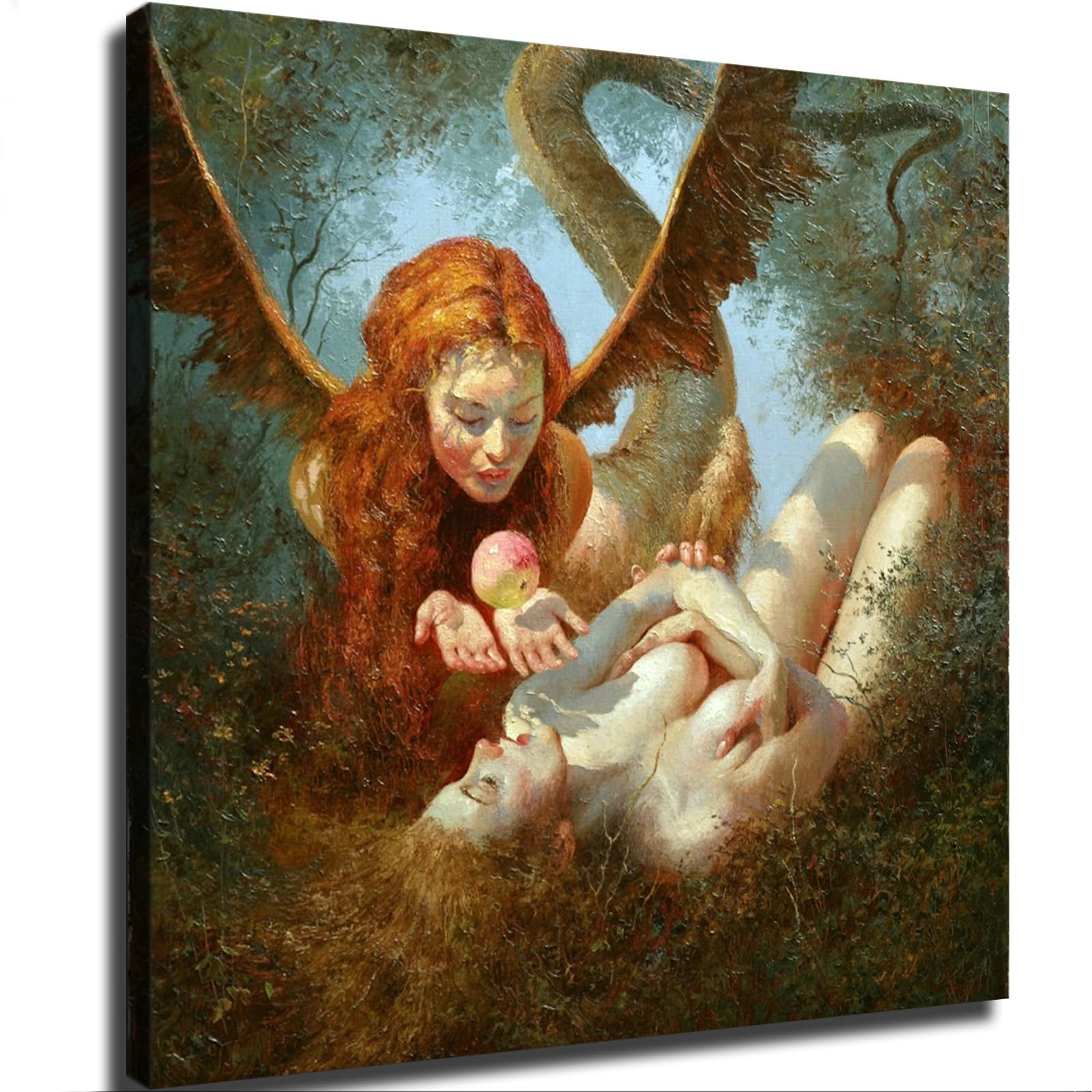
Beyond the canonical text of Genesis, another tradition emerges later in Jewish writings: the figure of Lilith. In these later traditions, Lilith is described as Adam’s first companion — created from the same ground, at the same time as him.
In these accounts, Lilith refuses a subordinate role and eventually leaves Eden. Later interpretations portray her in vastly different ways — sometimes as a symbol of independence and female agency, and sometimes as something far darker. While scholars debate how early this tradition really is and how it evolved over time, it adds another layer to our understanding of the human beginning.
What Does This Mean?
This complexity doesn’t provide a single, simple answer. Instead, it does something more interesting: it shows that one of the most familiar origin stories in the world is not as unified as it first appears. It contains multiple voices, different perspectives, and open questions that were never fully resolved.
Those questions remain relevant today:
•Are we created with a specific purpose?
•Are we inherently equal from the beginning?
•Are these stories literal, symbolic, or something in between?
The text doesn’t close these questions; it leaves them open. If the story we think we know already contains more than one version, what does that say about the way human beings have always tried to understand where we come from?